Oxalates - like shards of glass
Recently I started investigating oxalates after I had a very sore ball of one foot. It's been fascinating! For vegetarians and vegans it may be a dirty word...
In essence, animal products have no or very little oxalates. Animals eat high oxalate in many cases but when it's processed by their bodies. For instance, our hens eat just about anything, in all honesty. Meat is their favourite but they will eat any kind of grains, seeds or plants. Their eggs and meat have no oxalates.
What are oxalates? They are like microscopic shards that lodge in the tissues of the body. They are associated with so much disease including kidney and bladder issues, joint and bone effects, even ms symtoms (a topic that is close to my heart) and so much else.
But plants are so healthy and so is a plant based diet. Or is it? No, keto is super healthy. Or is it?
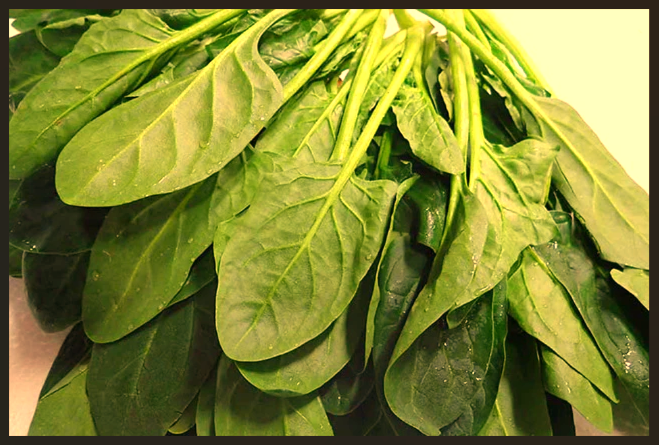
One reason I found this so fascinating is that two of the highest oxalate foods are claimed to be super foods - almonds and spinach. It's been a long time since I've been able to eat spinach as I just feel yuck if I do. All of the spinach family is super high in oxalates including rhubarb (we all know about how toxic the leaves are), buckwheat, silverbeet, etc. Yams, potatoes and kumara are. Many nuts and seeds are including the so-called amazingly nutritious chia and soy.
The thing is though, there is a lot of conflicting advice and you can potentially end up hospitalised if you go hard out and cut out all oxalates at once. Better to work with a naturopath to support your body to do it slowly and safely.